How to Generate Leads from Google Maps: A Step-by-Step Guide
Apr 29, 2025
Google Maps is a powerful tool for finding business leads, especially for local service industries like HVAC, landscaping, and cleaning services. It provides up-to-date details such as business addresses, contact information, customer reviews, and service areas - making it an excellent resource for targeted outreach. Here's a quick summary of how to use Google Maps for lead generation:
Identify Target Markets: Focus on specific locations and industries that match your services.
Collect Business Data: Use manual searches or automation tools to gather contact details, ratings, and service information.
Organize Leads: Categorize businesses into hot, warm, or research-needed leads for better outreach management.
Personalize Outreach: Craft tailored emails using data like reviews or local context to engage prospects.
Measure Results: Track campaign performance through email metrics, Google My Business (GMB) insights, and website analytics.
With the right tools and strategy, you can turn Google Maps into a reliable source for high-quality business leads.
Google Maps Lead Generation on Steroids
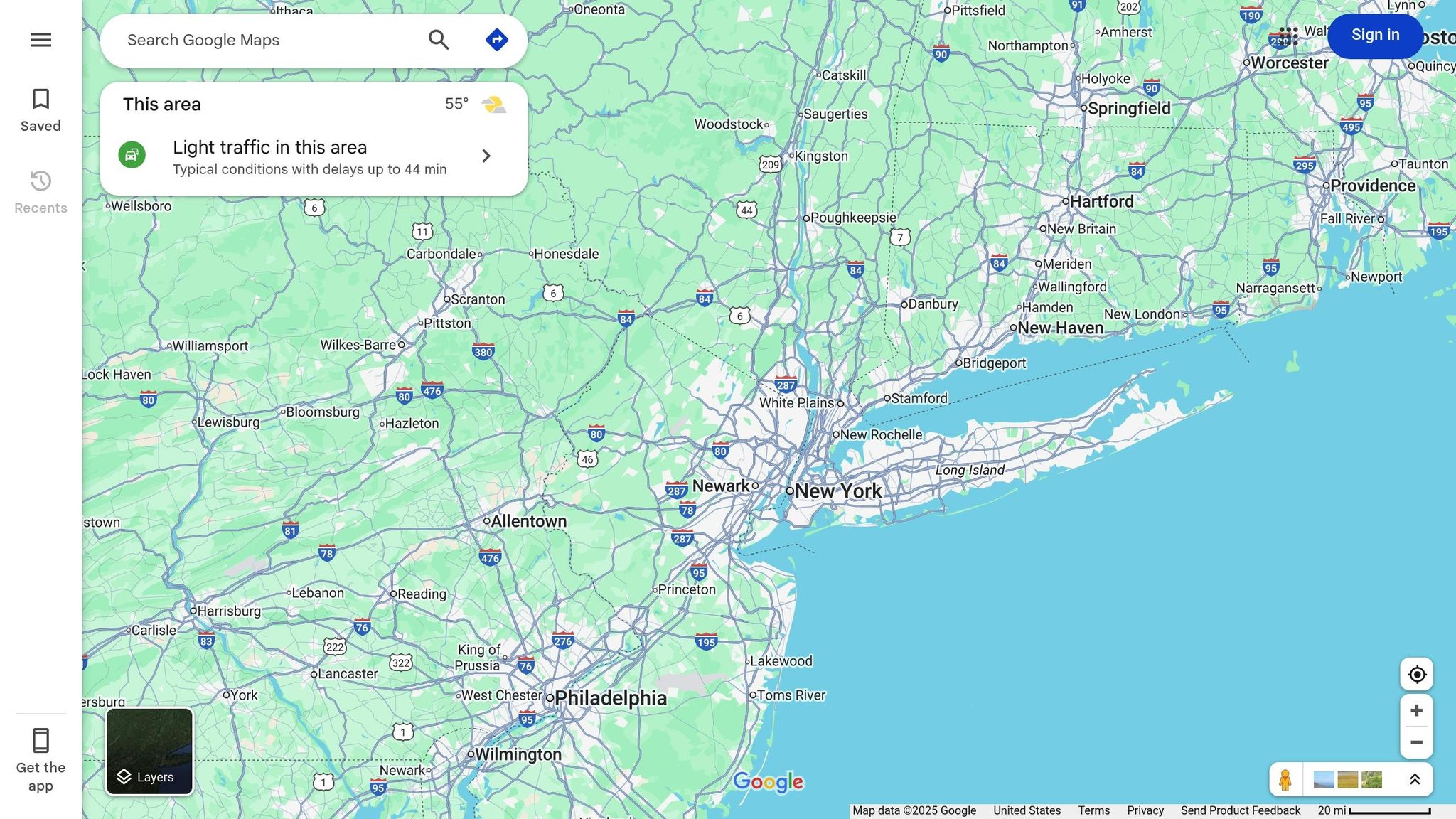
Step 1: Preparation and Setup
Before you start generating leads through Google Maps, it's important to lay the groundwork. This means identifying your target businesses and gathering the tools you'll need to collect data and reach out effectively.
Identifying Target Markets and Locations
The key to successful lead generation is knowing exactly who you're targeting. Focus on specific geographic areas and business types that match your services. Here's what to consider:
Market Factor | What to Think About | Why It Matters |
|---|---|---|
Service Area | How far businesses are from your base | Affects travel costs and response times |
Competition Density | Number of similar businesses nearby | Impacts your potential market share |
Business Size | Small to medium-sized businesses | Shapes how decisions are made |
Industry Type | Specialized service providers | Guides your outreach strategy |
For example, targeting businesses that are active in your local area but lack a strong online presence can help you uncover untapped opportunities.
Key criteria for targeting:
Businesses that aren't active on LinkedIn
Industries with small or non-existent internal marketing teams
Companies with seasonal demand cycles
Businesses with active Google profiles
Required Software and Resources
To make your process efficient, you'll need the right tools. These tools help with tasks like extracting data from Google Maps, validating email addresses, and managing your outreach campaigns.
Some must-have tool features include:
Verifying business ownership
Extracting contact details
Collecting reviews and ratings
Scraping website data
Validating email addresses
With the right tools and a clear plan, you'll be ready to start gathering and organizing business data for your outreach efforts.
Step 2: Finding and Collecting Business Data
Now that you've defined your target market and selected your tools, it's time to gather business details from Google Maps. This section outlines both manual and automated methods to help you collect solid leads.
Manual Search Techniques
Searching manually on Google Maps requires a structured approach to uncover quality business leads. Use these strategies during your searches:
Search Component | Strategy | Example |
|---|---|---|
Location Filters | Focus on specific zip codes or neighborhoods | "cleaning services in 90210" |
Industry Keywords | Include terms relevant to the service | "commercial landscaping" |
Business Status | Filter by ratings and reviews | High ratings with many reviews |
Listing Quality | Spot incomplete profiles | Missing website or business hours |
When reviewing listings, pay attention to these details:
Business name and address
Google ratings and total reviews
Contact information, such as phone numbers and websites
Recent customer reviews for personalized outreach
Social media links and overall online presence
Keep track of this data in a spreadsheet to streamline your outreach. These manual techniques provide a strong base for scaling up with automation tools.
Using Data Collection Tools
Manual searches are great for smaller campaigns, but automation tools can drastically speed up the process. Tools like Cohesive AI help extract and organize data efficiently.
Here’s how to use automation for data collection:
Gather essential business details.
Add extra information like owner data, email addresses, and social profiles.
Check for duplicates or outdated listings.
To ensure your data is accurate:
Verify email addresses for deliverability.
Cross-check phone numbers.
Confirm the business is still active.
Remove duplicate entries.
Organize your data into categories for better management:
Category | Purpose | Priority Level |
|---|---|---|
Hot Leads | Businesses that meet all criteria | Top priority for outreach |
Warm Leads | Businesses that meet some criteria | Secondary priority |
Research Needed | Listings missing key details | Requires further validation |
Not Qualified | Listings that don’t fit your target | Exclude from outreach |
Since business information on Google Maps can change often, update your database regularly to keep your outreach efforts precise and effective.
Step 3: Planning Your Outreach
Now that your data is organized, it's time to put it to work. This step is all about turning insights into action with a focused outreach strategy. The goal? Create personalized, well-structured campaigns that effectively convert leads.
Writing AI-Generated Emails
Crafting impactful emails is key. Here's a simple structure to follow:
Email Component | Best Practice | Example |
|---|---|---|
Subject Line | Include location + benefit | "Boost Your Dallas Cleaning Service Revenue" |
Opening | Personal reference + context | "I saw your 4.8-star rating on Google Maps - impressive!" |
Body | Highlight specific value + social proof | "We can help increase your monthly bookings by 25%." |
Call-to-Action | Make the next step clear | "Let’s set up a quick 15-minute call this week." |
To make your emails stand out:
Incorporate Research: Mention recent reviews, milestones, or achievements.
Add Local Context: Refer to nearby businesses or events to make your email more relevant.
Focus on Value: Skip generic service pitches and emphasize clear, tangible benefits.
Plan your email schedule carefully to ensure your outreach is timely and consistent.
Managing Email Campaigns
A well-organized campaign is essential for maintaining consistency and tracking progress. Here's a sample timeline:
Campaign Phase | Action Items | Timeline |
|---|---|---|
Initial Contact | Send a personalized introduction email | Day 1 |
First Follow-up | Share a value proposition reminder | Day 4 |
Second Follow-up | Provide a case study or social proof | Day 7 |
Final Attempt | Include a time-sensitive offer | Day 12 |
To manage your campaigns effectively:
Segment Your Audience: Group contacts by industry, company size, or location.
Track Metrics: Monitor open rates, click-through rates, and responses.
Experiment and Improve: Test different subject lines, email formats, and messaging to find what works best.
Stick to a consistent schedule and send emails during business hours in your target time zones. This helps maintain professionalism and increases the chance of a response.
Leverage AI tools to streamline your outreach. These tools can:
Analyze customer reviews to personalize your messages.
Generate tailored value propositions for specific industries.
Create follow-up sequences based on how recipients engage with your emails.
Identify the best times to send emails based on business activity patterns.
Step 4: Measuring Results
Once your outreach is in motion, tracking results becomes essential. To make Google Maps lead generation work, you need to monitor the right metrics and adjust your strategy based on what you find. Here's how to evaluate and improve your campaign's performance.
Key Metrics to Track
Pay attention to these metrics to assess lead quality and overall campaign success:
Email Performance: Look at open rates, response rates, and conversions.
Google Maps Actions: Monitor clicks to your website, requests for directions, and phone calls.
Website Analytics: Use UTM parameters to track traffic from Google My Business (GMB) listings, as well as page views and time spent on your site.
Google My Business Insights offers helpful data on customer behavior. For instance, 53% of people who use Google for local searches visit a business within 48 hours [1].
To effectively track performance:
Add UTM parameters to all links in your GMB profile.
Monitor direction requests by zip code to identify high-potential areas.
Use GMB Insights to track actions like calls, messages, and visits to your site.
Centralize your email campaign metrics in one dashboard for better analysis.
Fine-Tuning Your Campaign
After gathering data, use it to make adjustments that can improve your results:
Adjust Targeting: Identify which business categories and locations drive the most engagement. Since 63% of consumers check reviews on Google before visiting a business [1], prioritize prospects with strong review profiles.
Test Email Content: Experiment with different subject lines and offers. Personalize your emails using insights from customer reviews and local trends.
Boost GMB Visibility: With Google hosting 58% of all online reviews [1], keep your GMB profile active. Respond to reviews, update details regularly, and add thorough service descriptions. Quick follow-ups matter - 14% of local searchers are looking for immediate solutions [1].
Summary and Next Steps
Start using Google Maps to grow your business - put these strategies into action right away. The first step? Build a solid prospect list by using tools that collect and verify Google Maps data.
Here’s a simple plan to get started:
Use Data Collection Tools
Consolidate and verify business data from Google Maps in one place. This makes managing campaigns much easier.
Create Your Prospect List
Focus on scraping relevant business listings, verifying contact details, and validating email addresses. Narrow your search to a specific location or business type for better results.
Once your list is ready, move on to launching your outreach campaign.
Run Your First Campaign
Personalize your outreach messages by including details like customer reviews and specific business needs. Tailor your greetings to each business and track performance to measure results.
Combine automation with personal follow-ups to scale your efforts without losing that personal touch. By following these steps, you can effectively use Google Maps to generate targeted leads and grow your business. Keep improving your approach to maintain success over time.
FAQs
How can I find and connect with local businesses that aren’t using platforms like LinkedIn for lead generation?
To identify and connect with local businesses not actively using platforms like LinkedIn, Google Maps is a powerful tool. Start by searching for specific business types in your area, such as cleaning services or HVAC companies. Once you’ve located potential leads, you can collect key details like business names, phone numbers, and websites directly from their Google Maps profiles.
To streamline this process, consider using tools or software that help extract and organize this information efficiently. After gathering the basics, you can further research to find contact details for decision-makers, such as email addresses or phone numbers, ensuring your outreach is targeted and effective.
This approach allows you to focus on businesses that may benefit most from your services, even if they aren’t actively engaging on platforms like LinkedIn.
How can I personalize outreach emails using Google Maps data like customer reviews or local insights?
To make your outreach emails more engaging, use data from Google Maps, such as customer reviews and local details, to tailor your message. For example, highlight specific positive feedback from recent reviews to show you’ve done your homework and understand their business. Mentioning details like the reviewer’s first name or referencing a standout service can make your email feel personal and relevant.
You can also incorporate local context, such as referencing nearby landmarks or community events, to establish a connection. This approach demonstrates genuine interest and increases the likelihood of a response. By focusing on these personalized touches, you can create outreach emails that resonate with your prospects and stand out in their inbox.
How can I track the success of my lead generation efforts on Google Maps using Google Business Profile Insights?
You can track the performance of your lead generation campaigns on Google Maps using Google Business Profile Insights (formerly Google My Business). This tool helps you monitor key customer actions such as website visits, phone calls, and requests for directions directly from your Google Maps listing.
Insights provide data on how customers interact with your business. For example:
Website Visits: See how many users clicked through to your site.
Phone Calls: Track the number of calls initiated from your listing.
Direction Requests: Measure how often users request directions to your location.
By analyzing this data, you can identify which aspects of your campaign are driving the most engagement and adjust your strategy for better results.