Dynamic Email Content: Benefits for Local Services
Aug 9, 2025
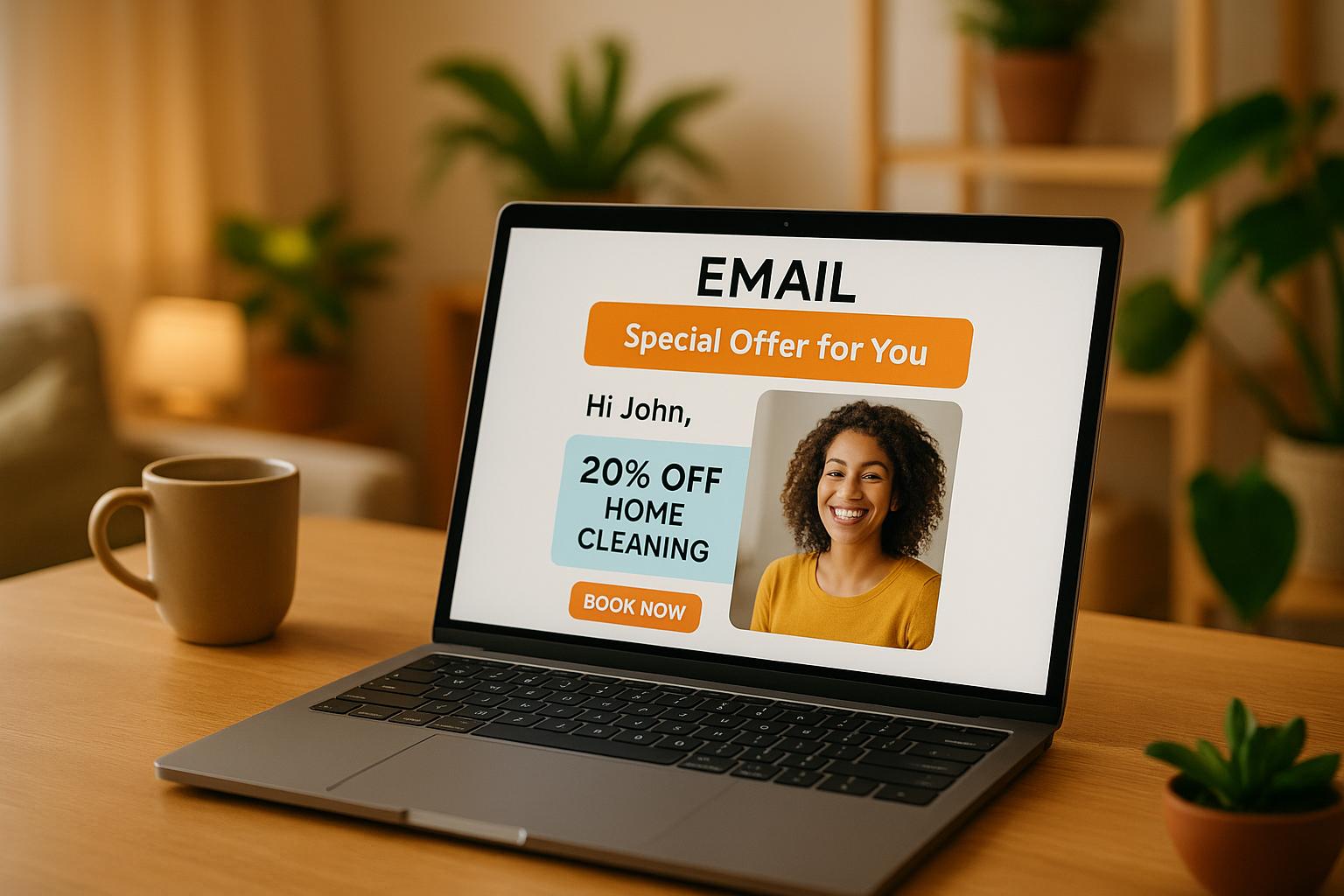
Dynamic email content uses real-time data to create personalized email experiences tailored to each recipient. For local service providers like HVAC companies, landscapers, and catering businesses, this means sending messages that align with specific customer needs, locations, and preferences. The result? Higher engagement, better conversion rates, and simplified operations.
Key Benefits:
Personalization: Tailor emails based on location, preferences, and past interactions.
Higher Engagement: Boost open rates by 26%, click-through rates by 14%, and conversions by 10%.
Cost Savings: Automate processes, reduce manual effort, and scale easily.
Localized Promotions: Target offers by ZIP code, weather patterns, or regional needs.
Behavior-Based Campaigns: Use customer data to promote repeat business and upsell services.
Practical Applications:
Send seasonal offers (e.g., HVAC tune-ups before winter).
Use appointment reminders with upsell opportunities.
Create follow-up emails based on customer behavior.
Dynamic email content is a game-changer for local services, helping businesses connect with their audience more effectively while saving time and resources.
Key Benefits of Dynamic Email Content for Local Service Businesses
Better Personalization and Local Relevance
Dynamic email content lets businesses send tailored messages that align with specific customer needs, property sizes, and local conditions. Instead of relying on generic emails, you can deliver content that feels personal and relevant to your audience.
For example, an HVAC contractor can send highly targeted emails to different client types. A restaurant owner managing kitchen ventilation has very different concerns compared to an office manager focused on employee comfort. With dynamic content, the HVAC company can automatically highlight technical features for restaurants while emphasizing energy efficiency and quiet operation for office settings.
Landscaping businesses can take this a step further by using weather data and seasonal trends. When spring temperatures consistently hit 65°F, the system could send residential clients emails about lawn aeration services, while commercial property managers receive information on mulching schedules or irrigation system checks. Similarly, a janitorial service operating across multiple counties can reference local landmarks or business districts, making their emails feel more personal and community-focused. This approach naturally leads to stronger engagement and higher response rates.
Higher Engagement and Conversion Rates
Dynamic email content directly boosts engagement and conversion rates by delivering messages that genuinely resonate with recipients.
Open rates improve when subject lines feel tailored to the reader. For instance, a catering company could replace a generic subject like "Weekly Catering Specials" with something more specific, such as "Executive Lunch Options for Downtown Offices" or "Wedding Menu Tastings This Weekend." These personalized touches make emails stand out in crowded inboxes.
Click-through rates also see a sharp rise because recipients are more likely to engage with content that aligns with their interests. A business broker using dynamic emails might promote manufacturing opportunities to investors focused on industrial properties while showcasing retail businesses to those interested in consumer-facing ventures.
The impact doesn't stop at the first interaction. Dynamic emails often result in more qualified leads, as recipients are drawn to content that directly addresses their needs. They also help businesses nurture long-term relationships, driving repeat business through automated reminders for services like seasonal maintenance or follow-ups based on past purchases.
Simplified Operations and Cost Savings
Dynamic email content not only improves engagement but also simplifies marketing operations, saving both time and money.
With automation, businesses can skip the tedious process of creating separate campaigns for different customer segments. Instead, they can build dynamic templates that automatically adjust based on customer data. For instance, a landscaping company might spend just 30 minutes setting up a template that generates hundreds of personalized emails throughout the season. This frees up staff to focus on service delivery rather than marketing tasks, ensuring consistent results with minimal effort.
The financial benefits are just as clear. Dynamic content reduces the need for multiple marketing tools or outsourced services. Instead of managing several campaigns for different audiences, businesses can handle everything through one platform. This makes the return on investment more predictable, as automated systems nurture leads without requiring constant manual input.
As businesses grow, dynamic systems can easily scale. Whether expanding customer lists or entering new markets, these systems adapt seamlessly. For example, a business broker moving into new territories doesn’t need to hire additional marketing staff. The dynamic system automatically adjusts to new locations and client types, keeping operations efficient even as complexity increases.
Practical Applications of Dynamic Email Content in Local Services
Localized Promotions and Discounts
Dynamic email content lets local service businesses craft promotions that resonate with specific neighborhoods or regions, rather than relying on one-size-fits-all discounts. By targeting offers based on ZIP codes, local events, or regional preferences, businesses can connect more effectively with their audience.
Take a janitorial service operating across several counties. Emails sent to downtown businesses might highlight after-hours cleaning packages tailored for office spaces, while those targeting industrial zones could focus on specialized equipment cleaning or warehouse maintenance services. This kind of regional focus makes the promotions feel more relevant and personal.
HVAC companies can time their offers by monitoring regional weather patterns. For instance, when Phoenix temperatures hit 95°F in early May, businesses in the area might receive promotions for cooling system maintenance. Meanwhile, as fall approaches in Minneapolis, emails could promote heating system tune-ups. This weather-based strategy ensures customers get the right offers at the perfect time.
Landscaping businesses can also benefit by addressing seasonal needs in different regions. A company serving both Florida and Michigan might send palm tree trimming promotions to southern clients while offering snow removal preparation to northern customers. In areas with water restrictions, emails could spotlight drought-resistant landscaping services, aligning with local regulations and needs.
Beyond promotions, dynamic email content improves customer communication in other meaningful ways.
Appointment Reminders and Follow-Ups
Dynamic appointment reminders can include personalized details, preparation tips, and even upsell opportunities tailored to each customer’s specific needs and history.
For catering businesses, reminders can feature menu confirmations, guest count updates, and setup timelines customized for each event. A corporate lunch reminder might emphasize dietary accommodations and professional presentation, while a wedding catering reminder could focus on timeline coordination and special requests. Larger events might receive reminders 7 days, 3 days, and 24 hours in advance, while smaller gatherings could get a simpler 48-hour notice.
Business brokers can use dynamic follow-ups to strengthen client relationships. For example, if a potential buyer shows interest in manufacturing listings but hasn’t responded, follow-up emails could highlight similar industrial opportunities or provide market trend reports. The frequency of follow-ups can also adapt based on the deal size, with more detailed and frequent updates for high-value transactions and standard monthly updates for smaller deals.
HVAC contractors can create targeted maintenance reminder sequences. A restaurant with heavy-duty kitchen ventilation might get quarterly reminders for filter replacements, while a small office would receive bi-annual system check notifications. These reminders can even account for warranty periods or service history, increasing their relevance by focusing on equipment nearing the end of its warranty.
Tracking customer behavior takes these campaigns to the next level.
Behavior-Based Campaigns
Dynamic email campaigns can analyze customer interactions to encourage repeat business and promote additional services.
For landscaping companies, tracking seasonal service patterns helps predict future needs. For instance, if a client regularly books spring cleanup services in March, they might receive an early bird discount in February, along with offers for mulching or irrigation checks. Residential clients who opt for a one-time lawn treatment could get emails about ongoing maintenance packages, emphasizing the cost savings and convenience of regular care.
Janitorial services can use data like facility type and service frequency to suggest related services. A medical office receiving weekly standard cleaning might get targeted emails about deep sanitization or medical waste disposal during flu season or other high-demand periods.
Catering businesses can leverage event history to craft personalized campaigns. A client who previously booked corporate breakfast meetings might receive promotions for lunch presentation packages or holiday party menus as the seasons change. By tracking guest feedback and menu preferences, businesses can also suggest customized options to encourage repeat bookings.
Business brokers can develop investment behavior profiles based on client inquiries and email engagement. For example, a client who frequently opens emails about retail opportunities but ignores content about service businesses would receive more retail-focused listings and market analysis reports. Time-sensitive emails could also be triggered when new listings match the client’s preferences, increasing the likelihood of quick responses and successful deals.
This behavior-driven approach not only boosts customer retention but also enhances conversion rates, making dynamic email content an essential tool for local service businesses.
Setting Up Dynamic Email Content with AI
Requirements for AI-Driven Email Campaigns
To run successful AI-driven email campaigns, you'll need a few key elements: access to detailed data, smooth integration with tools, effective email delivery, clear personalization guidelines, and compliance with regulations.
For local service businesses, having accurate customer data is essential. This might include service history, location details, communication preferences, and past interactions. With this information, AI can craft messages that feel personal and relevant to each recipient. Additionally, integrating the AI system with tools like CRM platforms and scheduling software ensures everything works together seamlessly.
Reliable email delivery is another cornerstone. This can be achieved by setting up domain authentication, gradually warming up IPs, and keeping an eye on bounce rates. Personalization rules also play a big role. For instance, campaigns can adjust automatically to reflect seasonal trends or specific customer behaviors.
Compliance is non-negotiable. Frameworks like the CAN-SPAM Act require clear unsubscribe links and accurate sender information. AI systems with built-in compliance features help ensure every email meets legal requirements while still feeling personalized and engaging.
With these elements in place, businesses can create a solid foundation for AI-powered email campaigns.
How Cohesive AI Supports Local Service Businesses
Cohesive AI takes the hassle out of setting up AI-driven email campaigns, offering a ready-to-use solution tailored specifically for local service providers. Whether you're in janitorial services, landscaping, HVAC, catering, or even business brokering, this platform is designed to handle the technical heavy lifting for you.
One standout feature is its lead generation capability. Cohesive AI identifies potential customers by analyzing sources like Google Maps and government filings. For example, if you're an HVAC contractor in Phoenix, it focuses on finding leads for commercial properties within your service area.
The platform also excels in AI-powered personalization, crafting customized email content that speaks directly to each prospect. It factors in details like location, business type, and industry needs. So, if a janitorial service is targeting medical offices versus retail spaces, the messaging will reflect those distinct audiences.
Deliverability management is handled automatically. From domain setup to IP management and spam compliance, the system ensures your emails land in inboxes, not spam folders. It even monitors delivery rates and adjusts sending patterns to maintain high performance.
Cohesive AI's pricing is straightforward and designed for small businesses: a $500 monthly fee with a $75 setup cost, all on a month-to-month basis - no long-term contracts. Plus, it guarantees at least 4 interested responses per month. If that number isn’t met, you get a free month of service.
Additionally, the platform allows businesses to manage up to 3 campaigns at once, making it easy to target different customer groups or promote multiple services. For instance, a landscaping company could run separate campaigns for residential lawn care, commercial property maintenance, and seasonal cleanups, all with messaging tailored to each audience.
Measuring Results and Best Practices
Key Metrics for Success
To evaluate the success of your email campaigns, focus on tracking key metrics:
Open rates: These measure initial interest and should ideally fall between 20% and 25% for local service businesses.
Click-through rates (CTR): A healthy range is 2% to 5%, reflecting how relevant your content is to your audience.
Response rates: For cold outreach campaigns targeting new prospects, aim for 1% to 3%, which signals effective lead generation.
Conversion tracking is critical for connecting your email efforts to real business outcomes. This includes tracking actions like appointment bookings, service requests, and signed contracts that stem from your campaigns. For local service businesses, it’s especially important to monitor the dollar value of deals tied back to specific emails.
Keep an eye on unsubscribe rates and spam complaints to ensure your messaging stays relevant. Aim to keep unsubscribe rates below 0.5% and spam complaints under 0.1%. These metrics directly impact your sender reputation and email deliverability.
Once you’ve established these metrics, refine your approach by adopting proven strategies.
Best Practices for Dynamic Email Campaigns
Geographic segmentation can make your campaigns more effective, especially for local service businesses with diverse customer bases. For example, a landscaping company serving suburban homeowners and urban commercial properties should tailor its messaging to highlight services that resonate with each audience, addressing specific local needs.
Timing optimization plays a significant role in campaign performance. HVAC companies, for instance, often see better results when sending maintenance reminders during seasonal transitions. Similarly, janitorial services may find that targeting business decision-makers on Tuesday through Thursday mornings yields better engagement.
Focus on tailored messaging to address specific customer needs. Instead of generic emails about "cleaning services", create targeted campaigns for different sectors, such as medical office cleaning, retail maintenance, or restaurant sanitization.
Follow-up sequences are another powerful tool. After your initial email, set up automated follow-ups that offer additional value, such as seasonal checklists, maintenance tips, or case studies from similar businesses. This keeps your leads engaged and builds trust over time.
Mobile optimization is non-negotiable, as many business owners check emails on their phones. Use subject lines under 50 characters, single-column layouts, and ensure call-to-action buttons are easy to tap on smaller screens.
Incorporating local references can also strengthen your connection with recipients. Mentioning specific neighborhoods, landmarks, or challenges - like how harsh winters affect HVAC systems - helps demonstrate that you understand their unique circumstances.
Dynamic vs. Static Email Content
Let’s compare dynamic and static email content to see how they stack up:
Aspect | Dynamic Email Content | Static Email Content |
|---|---|---|
Personalization | Automatically adjusts based on recipient data | Same message for all recipients |
Local Relevance | Targets regions and includes automated local references | Requires manual customization for each location |
Setup Time | Higher upfront effort, but fully automated afterward | Quick to create but needs constant manual updates |
Engagement Rates | 20-30% higher open rates, 15-25% higher CTR | Standard performance |
Scalability | Easily expands across multiple areas | Requires separate campaigns for each segment |
Cost Efficiency | Better ROI through automation and precise targeting | Lower initial cost but higher long-term expenses |
Compliance Management | Automated compliance features built-in | Relies on manual oversight, increasing risk |
Response Quality | Attracts highly qualified leads | Broader, less targeted responses |
Dynamic email content offers clear advantages in personalization, scalability, and engagement, making it a worthwhile investment for businesses aiming to maximize their email marketing efforts.
Dynamic Email Content 101: What it Is and How it Works
FAQs
How does using dynamic email content help local service businesses boost engagement and conversions?
Dynamic email content allows local service businesses to connect with their audience on a more personal level, boosting both engagement and conversions. By leveraging customer data, businesses can tailor subject lines, offers, and recommendations to match individual preferences, behaviors, and needs. The result? Emails that feel more relevant and meaningful to recipients.
This level of personalization encourages people to open emails, explore the content, and take specific actions, such as booking a service, requesting a quote, or scheduling a consultation. Beyond driving immediate results, it also enhances the overall customer experience, fostering trust and loyalty. Over time, this approach not only improves conversion rates but also helps build lasting relationships with local clients.
How can local service businesses use weather data to improve their email marketing campaigns?
Local service businesses have a golden opportunity to use weather data for crafting highly targeted and timely email campaigns. This approach not only grabs attention but also drives customer engagement and generates leads. Picture this: during a chilly spell, an HVAC company could promote heating or furnace repair services. Meanwhile, in the sweltering heat, a landscaping business might share lawn care tips or advertise services to help protect yards from harsh, dry conditions.
Taking it a step further, real-time weather triggers can inspire creative promotions. For instance, after a heavy snowfall, a snow removal service might send out a discount offer to clear driveways and sidewalks. Similarly, during a heatwave, an air conditioning company could highlight maintenance services to keep homes cool and comfortable. By syncing email content with local weather patterns, businesses can deliver messages that feel personal and timely, encouraging stronger customer responses.
How can local service businesses ensure compliance when using AI for email campaigns?
To ensure compliance when running AI-driven email campaigns, local service businesses must adhere to key legal and ethical standards. Start by obtaining explicit consent from recipients before sending any marketing emails. Each email should include a clear opt-out option and a valid physical mailing address, as required by the CAN-SPAM Act. Additionally, adopt transparent data collection practices and make sure your privacy policies align with relevant laws, such as GDPR or similar regulations.
When leveraging AI tools for email personalization, prioritize handling data responsibly and securely. Regularly review and update your compliance practices to keep pace with changing laws and industry standards. These efforts not only help safeguard your business from legal issues but also strengthen trust with your audience.