AI Email Personalization: Legal Risks
Sep 17, 2025
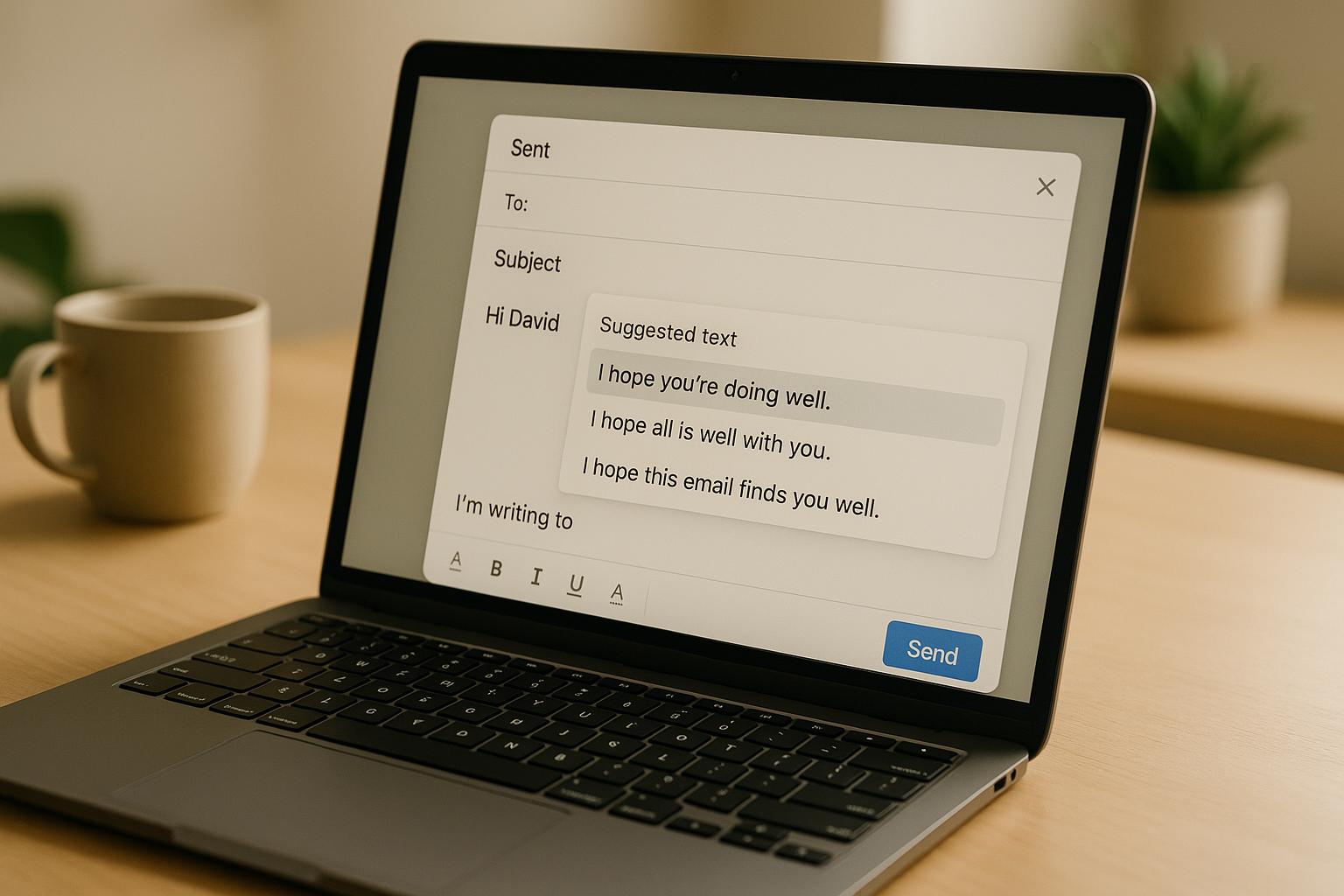
AI email personalization can boost your marketing efforts, but it comes with legal risks you can't ignore. From complying with federal laws like the CAN-SPAM Act to navigating state privacy regulations, businesses must tread carefully to avoid fines, lawsuits, and reputational damage. Here's what you need to know:
Compliance is non-negotiable: Federal laws like CAN-SPAM require accurate sender info, clear opt-out options, and truthful subject lines.
State privacy laws add complexity: Laws like CCPA and VCDPA give consumers control over their data, requiring businesses to manage it responsibly.
Data use isn't always straightforward: Even publicly available data may require consent before use.
Copyright issues can arise: AI tools might unintentionally generate content resembling copyrighted material.
Email deliverability matters: Non-compliance can harm your sender reputation, reducing engagement and driving up costs.
Key takeaway: Legal violations can cost small businesses heavily. To stay compliant, create a checklist, use AI tools with built-in compliance features, and schedule regular legal reviews. Protecting your business isn't just about avoiding fines - it's about maintaining trust and community goodwill.
How Does AI Email Marketing Handle Compliance and Privacy Issues? | AI SaaS Software Explained News
Main Legal Risks in AI Email Campaigns
Navigating the legal landscape of AI email personalization can be tricky for local service businesses. To create a compliant email strategy, it’s crucial to understand the potential legal risks involved.
CAN-SPAM Act Requirements
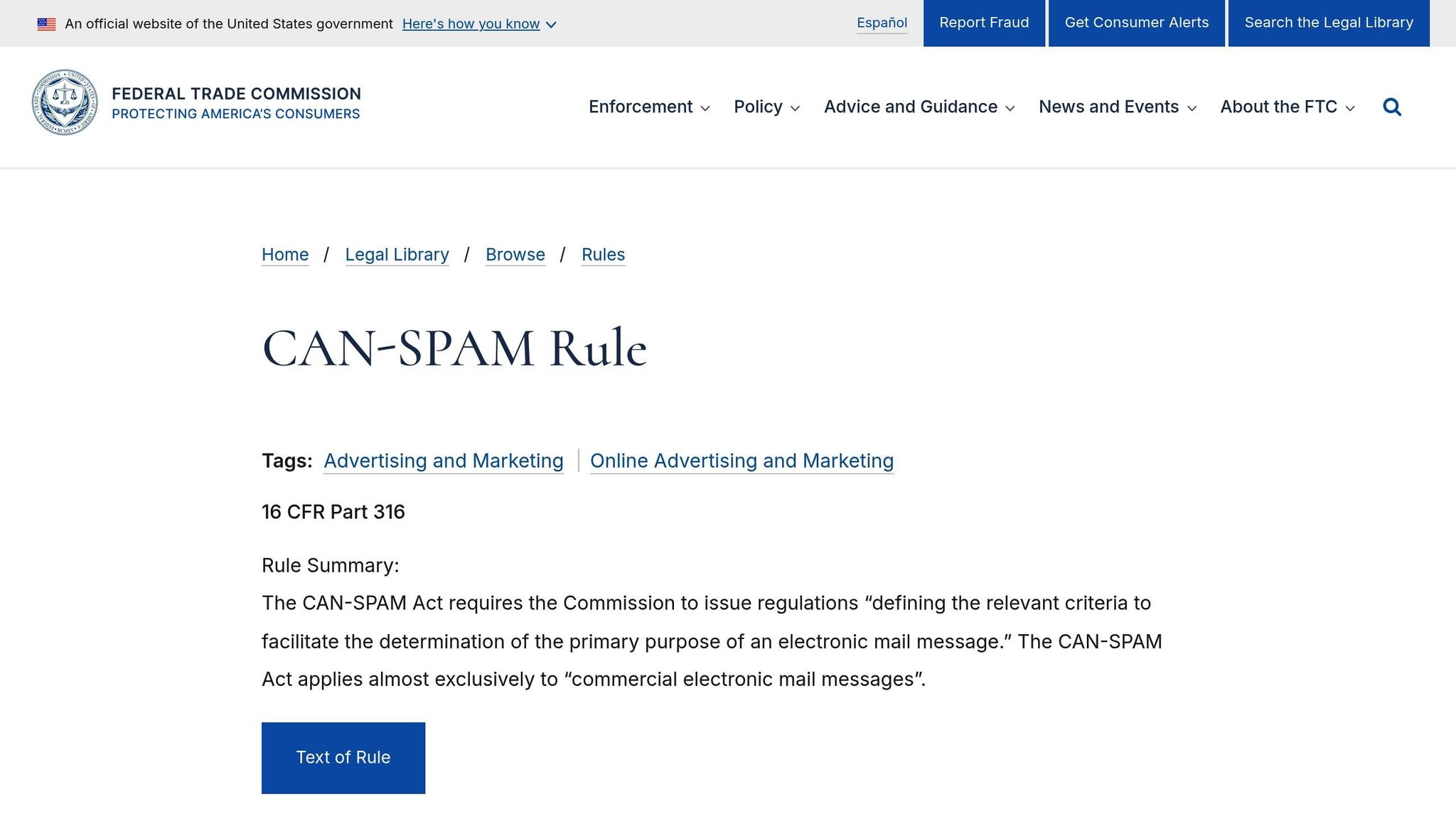
The CAN-SPAM Act is the backbone of email marketing regulations in the U.S., and it applies to all commercial emails - even those generated by AI tools like Cohesive AI. To comply, every email must include:
Accurate sender information
A truthful subject line
A clear way for recipients to opt out
A valid physical address
Failing to meet these requirements can lead to hefty fines and legal consequences. While federal guidelines set the baseline, state laws add more layers of complexity.
State Privacy Laws (CCPA, CPA, VCDPA)
State-level regulations like the California Consumer Privacy Act (CCPA), Colorado Privacy Act (CPA), and Virginia Consumer Data Protection Act (VCDPA) give consumers more control over their personal data. These laws allow individuals to access, delete, or restrict the sale of their data, which can complicate the use of AI tools that rely on publicly available information. Businesses must carefully manage data collection and follow state-specific privacy guidelines, including updating privacy notices and ensuring proper data handling practices.
Data Privacy and Consent Challenges
AI email personalization often uses data from public sources, but just because information is accessible doesn’t mean it’s free to use. Consent requirements vary across jurisdictions, making it difficult to align marketing practices with all applicable laws. To stay compliant, businesses should implement clear policies for data retention and deletion, ensuring consumer rights are respected.
Copyright and Content Risks
AI-generated email content can unintentionally mimic copyrighted material. Since AI systems pull from a wide range of sources during training, there’s always a chance the output could resemble protected work. Regularly reviewing AI-generated content is essential to avoid copyright infringement and the legal troubles that could follow.
Email Deliverability and Reputation Concerns
Legal compliance isn’t the only issue - non-compliant emails can harm your sender reputation. Internet Service Providers (ISPs) and email platforms use advanced algorithms to filter out emails that don’t meet their standards. If your emails are flagged as spam, it can hurt your deliverability and customer engagement. Once your sender reputation takes a hit, repairing it can be a lengthy and costly process, ultimately impacting your bottom line.
How Legal Risks Affect Local Service Businesses
Let’s take a closer look at how legal risks influence local service businesses. Unlike large corporations with extensive legal teams, smaller businesses - like landscaping companies, HVAC contractors, and janitorial services - often lack the legal resources to navigate complex compliance issues. This makes them particularly vulnerable when using AI-powered email personalization.
Financial and Business Costs
Legal violations can hit small businesses hard, especially financially. For instance, breaches of regulations like the CAN-SPAM Act can lead to hefty fines that quickly add up, particularly if large volumes of AI-generated emails are involved. On top of these fines, businesses often face legal fees and potential settlements, redirecting money that could have been used for growth or improving services.
But the financial burden doesn’t stop there. Legal troubles can disrupt daily operations. Instead of focusing on customer service or growing their business, companies may find themselves tied up in legal battles. Add to that the damage to their reputation - negative publicity and a loss of community trust can undo years of goodwill built through word-of-mouth recommendations.
These challenges underscore how legal risks can derail even the most well-intentioned businesses, as illustrated by recent real-world examples.
Case Studies of Legal Penalties
Several recent cases reveal just how costly non-compliance in AI email marketing can be. For example, a home services company faced significant fines after its AI-driven email system sent personalized messages to recipients who had previously opted out. This oversight not only led to penalties but also tarnished the company’s reputation.
In another instance, a landscaping business in California was hit with a class-action lawsuit for violating state privacy laws. The legal settlement and associated fees dealt a serious blow to the company’s financial stability and operations.
A Texas-based HVAC contractor ran into trouble when inconsistent sender information in their AI-generated emails caused a drop in engagement. This misstep forced them to spend more on marketing to recover lost ground, adding unnecessary strain to their budget.
One of the more unusual cases involved a multi-state cleaning service. Their AI email system unintentionally included copyrighted content in its messages, leading to intellectual property disputes. The legal action that followed highlighted the risks of automated content generation and the importance of monitoring for potential copyright issues.
For local service providers, who often operate with tight profit margins, these legal challenges aren’t just financial hurdles - they can also jeopardize their long-term growth and reputation. As regulations around AI and email marketing continue to evolve, staying compliant is no longer optional. It’s essential for protecting both their bottom line and their standing in the community.
How to Reduce Legal Risks
To tackle the legal risks mentioned earlier, consider implementing these strategies. Local service businesses can effectively use AI-driven email personalization while staying on the right side of the law by adopting the proper tools and practices.
Build a Compliance Checklist
Creating a compliance checklist is a must for adhering to federal and state regulations. Start by ensuring every email includes your business's actual name and physical address. Add an unsubscribe link that works within two clicks and processes opt-out requests within 10 business days. Subject lines should always reflect the email's content - steer clear of misleading phrases like "Urgent: Your Account" when promoting services like landscaping.
For businesses operating in states with stricter privacy laws, include a system to verify consent and document when and how permission was obtained to email each recipient. To simplify this process, consider using AI tools with built-in compliance features that can automate these tasks, saving time and reducing errors.
Use AI Tools With Compliance Features
Modern AI email platforms can handle compliance tasks efficiently, reducing legal risks. Tools like Cohesive AI are designed with features tailored for local service businesses, such as HVAC companies, landscaping services, and janitorial providers. These platforms automate opt-out management, ensuring that unsubscribed contacts are removed from future campaigns immediately.
They also maintain detailed records of data collection and usage, which is crucial for addressing privacy law inquiries. Built-in sender reputation management helps protect your domain from being flagged as spam. Additionally, AI personalization features often include content filtering, which can help avoid copyright issues and ensure your emails remain compliant.
Set Up Data Collection and Storage Rules
Alongside your checklist and AI tools, establish strict rules for how you collect and store data. Implement a "data minimization" policy - only gather the information you actually need for email campaigns, such as contact details and service preferences.
Be transparent about your data collection practices. Let customers know what information you're collecting and why. Use encrypted storage solutions to protect sensitive data, and limit access to employees who genuinely need it. Create a clear process for deleting customer data upon request, including email addresses and any personalization details.
Keep thorough records of your data practices. Document when and how data was collected, how it’s being used, and when it’s deleted. These records can be invaluable if you're ever audited or questioned about your compliance with privacy laws.
Schedule Regular Legal Reviews
With laws around AI and email marketing constantly evolving, regular legal reviews are critical. Plan to conduct these reviews quarterly with a professional who understands both email marketing and AI-related regulations.
During these reviews, compare your email practices against the latest legal requirements. Keep in mind that new state privacy laws are frequently introduced, and existing laws are often updated to address AI-specific issues. If you notice unusual spam complaints or deliverability problems, these could be signs of compliance issues that need immediate attention.
Also, update your staff training as needed. Make sure your team stays informed about email marketing and data handling rules. As your business grows, maintaining compliance will protect you from violations and help safeguard your reputation.
Investing in regular legal reviews not only prevents costly mistakes but also reinforces trust with your customers. For local service businesses that thrive on referrals and community relationships, staying compliant is essential to maintaining the trust that keeps your business running strong.
Conclusion: Using AI Email Tools Safely and Legally
AI-driven email personalization opens up new possibilities for growth, but it comes with the responsibility of staying within legal boundaries to avoid hefty penalties.
To succeed, you need to strike a careful balance between embracing new technology and following the law. Ensuring your email strategies comply with federal regulations like the CAN-SPAM Act and relevant state privacy laws isn’t optional - it’s essential.
This is especially true for industries that thrive on community trust. Local businesses such as HVAC companies, landscapers, and janitorial services often depend on referrals and a solid reputation. A single privacy misstep or spam complaint could erode that trust in no time.
FAQs
How can small businesses ensure their AI-powered email campaigns comply with federal and state laws?
To stay on the right side of the law when using AI for email campaigns, small businesses need to comply with the CAN-SPAM Act. This means including a physical business address in your emails, offering a clear way for recipients to opt out, and steering clear of misleading subject lines or headers. If you're using AI to personalize your emails, it's equally important to secure explicit consent (opt-in) before sending any marketing communications.
It's also wise to pay attention to state-specific laws, like those in California or Virginia, which may have additional requirements. Keep detailed records of consent and opt-out requests to ensure you're covered. By routinely reviewing and updating your email practices to align with both federal and state regulations, you'll not only reduce legal risks but also strengthen your audience's trust.
How can businesses ensure compliance with data privacy laws when using AI for personalized email campaigns?
To ensure compliance with data privacy laws when leveraging AI for email personalization, businesses need to establish clear opt-in processes that secure active user consent. This approach not only adheres to federal regulations like the CAN-SPAM Act but also aligns with international standards such as GDPR. With more U.S. states rolling out their own privacy laws, staying informed about state-specific rules is essential to sidestep potential legal issues.
Some best practices include performing regular data audits, keeping privacy policies transparent, and managing customer data securely. By focusing on protecting user data and honoring their consent, businesses can reduce legal risks and foster trust with their audience.
What legal risks could a business face if AI-generated email content accidentally violates copyright laws?
If businesses use AI-generated email content that unintentionally violates copyright laws, they could find themselves in hot water legally. The consequences? Lawsuits, statutory damages that can reach up to $150,000 per violation, and even court-ordered mandates to cease using the infringing material.
To steer clear of these risks, it’s crucial to have strong oversight over AI-generated content. Make sure to verify its originality and put measures in place to prevent copyright issues. Seeking advice from legal professionals with expertise in intellectual property law is another smart way to safeguard your business.