Dynamic Data Extraction for Local Leads
Nov 13, 2025

Dynamic data extraction is transforming how small U.S. service businesses - like HVAC, cleaning, and landscaping - find new customers. By leveraging tools to pull real-time information from sources like Google Maps, businesses can quickly identify and reach potential clients who often don’t appear on traditional B2B lists. Here’s what you need to know:
Browser-based tools (e.g., Selenium): Affordable and beginner-friendly, these simulate human browsing to extract data like business names, addresses, and reviews. However, they’re slow, prone to errors, and may violate Google’s terms.
API-based solutions (e.g., Clay, Apify): These offer faster, more reliable access to structured data, including detailed business profiles. They’re scalable but come with monthly fees and usage limits.
AI-driven platforms (e.g., Cohesive AI): Fully automated, these tools handle everything from data extraction to personalized outreach. They’re costlier upfront ($500/month) but save time and deliver consistent results.
Key Benefits:
Faster lead generation: Hundreds of leads can be generated in minutes.
Personalized outreach: AI tools can craft tailored emails based on extracted data.
Scalability: API and AI tools handle large-scale campaigns with ease.
Legal Considerations: Always comply with U.S. privacy laws like the CAN-SPAM Act. Misusing data or violating Google’s terms can lead to penalties.
Quick Comparison
Method | Ease of Use | Scalability | Data Depth | Cost | Legal Risk |
|---|---|---|---|---|---|
Browser Tools | Easy | Low | Basic | Low/Free | High |
API Solutions | Moderate | High | Detailed | Mid ($29+/mo) | Moderate |
AI Platforms | Easy | Very High | Comprehensive | High ($500/mo) | Low |
For small businesses, browser tools may suffice initially. However, as you scale, API or AI tools offer faster, more reliable, and legally safer ways to generate leads.
I Built a Google Maps Scraper with AI (Full Tutorial)
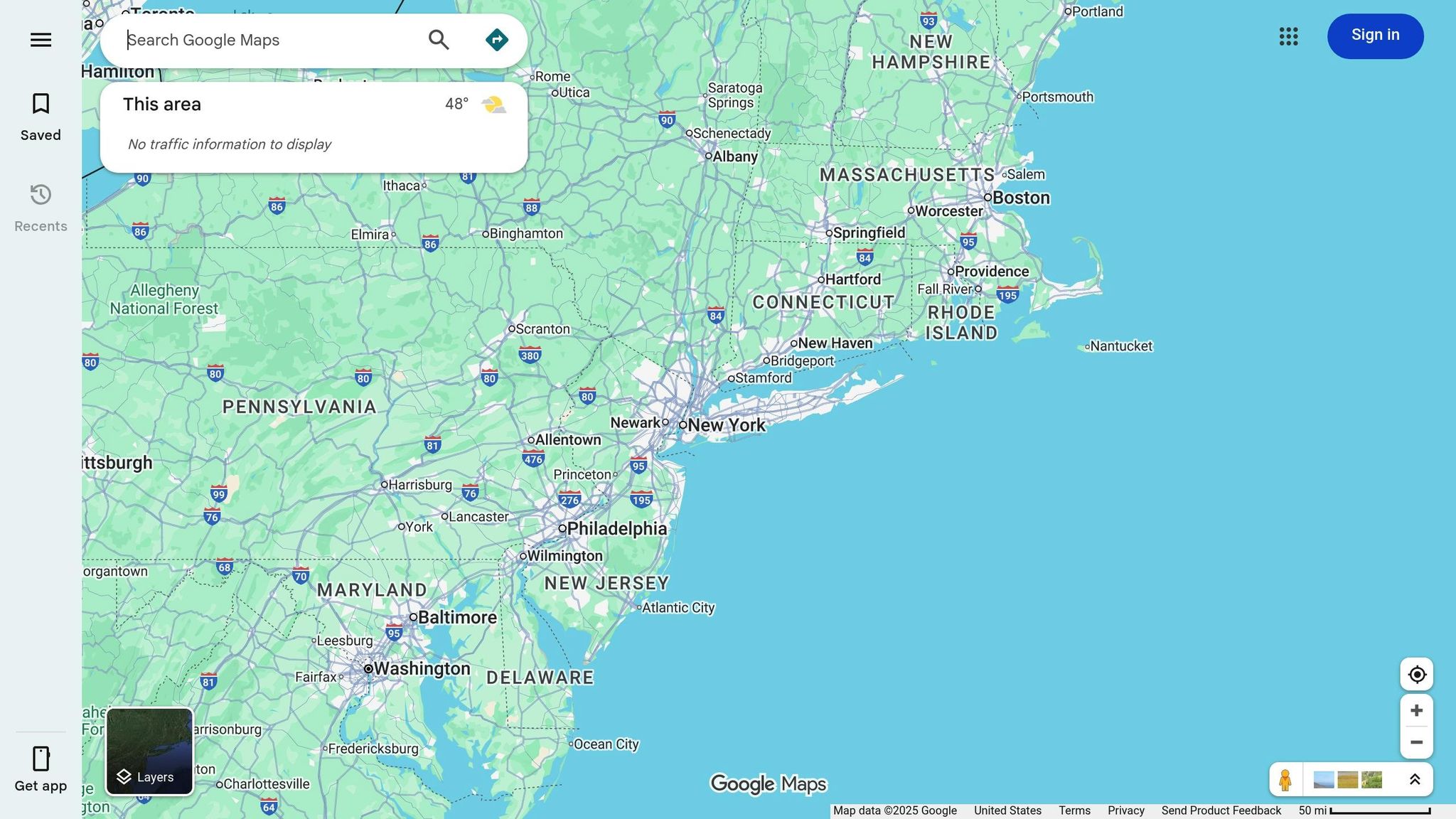
1. Tools to Use a Web Browser
Pulling up-to-date info key to find local leads, and tools to use a web browser offer one of the best ways to start. Tools like Selenium can pull data from places like Google Maps by acting like a human using a browser. They go to sites, look for things, and get business facts, making a base for more deep ways to get data.
By doing the same tasks over and over, these tools can look for set types of businesses in set places, go through search hits, and pull out key facts such as business names, places, phone numbers, web links, types, scores, and counts of reviews. Tools like LeadGenPy make this info even more easy to get to by keeping it in forms like CSV and JSON, which are easy to add to other systems.
Data Depth
One of the top ups of using a web browser is how it can get rich, full business stories. These tools always catch key points, such as "BusinessName", "Address", "PhoneNumber", "Website", "Category", "Rating", "ReviewCount", "google_maps_link", and "email", with a note showing it worked well. Their skill to wait for all stuff to load makes sure no key info is missed.
Scaling Up
While tools to use a web browser work well at handling many leads, they meet problems when trying to take on more. As these tools act like real web use - waiting for pages to load and working with hard web stuff - they can have slow downs and limits, such as Google Maps putting caps. To beat these limits, one often needs big server setups, good error fixing, and control of proxies. Fixing these tight spots is key for groups wanting to grow their work [2].
Costs
Free tools like Selenium make using a web browser low-cost, great for firms with in-house tech help. The main costs are from the time needed to make and keep up scripts, as well as the costs of server setup. Regular changes to Google Maps’ look can mess up automation stuff, so keeping things up to date is a needed cost to keep all going smooth.
Staying Within U.S. Laws
Using tools to pull data from Google Maps moves on a thin legal line. Google’s use terms mostly say no to automated pulling, so it’s key to stay right with privacy rules and trade rules. Like for example, grabbing business emails or contact info has to match laws like the CAN-SPAM Act. Also, firms should have strong ways to keep safe the info they pull.
2. API-Based Solutions
API-based solutions make it easy to pull data from Google Maps. Tools like Apify and Clay let you get to this data fast and well, speeding up how you find local leads.
Unlike using a web browser which acts like a user, API tools go right to the data. This lets them handle lots of info at once. For example, Clay’s tool on Google Maps can get business names, stars, review numbers, phone details, and websites - no need to know coding. This ease makes it good for those not skilled in tech.
Data Depth
One big perk of API tools is they get more than just basic info. These tools can go into business sites to pull out email addresses, adding more useful info perfect for CRM.
This makes simple Google Maps info into useful bits. For instance, Clay’s service does more than just grab contact info - it pulls recent customer reviews and breaks them down, including the reviewer names. This extra detail aids sales teams understand buyer feelings, making their work more one-on-one and strong. Knowing a business's rating, review history, and latest feedback can help shape emails in a way that matters.
For businesses aiming at local markets, key info includes basics like the business name, place, phone, website, and Google stars. More deep tools like finding emails, pulling social media details, checking review moods, and scoring leads add more value. Lead scoring, which ranks businesses based on factors like stars, review numbers, and if emails are there, helps sales teams focus on the best choices.
Scalability
In terms of speed and trust, API-based solutions do better than web browser tools. APIs get into organized data, avoiding issues that come from website design changes or blockades set by Google. For example, Clay can handle hundreds of leads in just minutes.
In June 2023, a specialty grocery store used Clay’s Google Maps scraper to identify and enrich 178 local business leads for a marketing campaign. The tool automatically collected business names, ratings, review counts, phone numbers, and websites, then summarized recent reviews using its AI agent. This personalized approach resulted in a 22% increase in response rates compared to previous campaigns[2].
This ability to scale is key when reaching out to many places or job areas. Tools that use APIs can work with many sets at once, across different regions and job types. This makes them perfect for big efforts to reach out. Also, these tools set the stage for AI platforms that can better tweak how they target people.
Cost
Most tools that use APIs cost money either per plan or per use. Many systems let you start for free if you don't use much; paid plans begin at about $29 each month for more use or better tools. While costs might go up with more data or fancy add-ons, they usually stay the same, unlike the changing costs of other methods.
For firms that need trustworthy and quick service, the price of these API tools is often worth it. Teams that find leads for a job find they work faster, more right, and need less upkeep than the free kinds.
Staying Within the Rules
Using these API tools to get data from Google Maps must be done right by the law. Since Google does not let everyone use their main tool for pulling detailed business info, many systems use other ways that aren't official. This might break Google's own rules.
It's vital to follow U.S. rules, like the CAN-SPAM Act and state rules about privacy, when using this kind of data to reach out. Firms must make sure they don't take or use personal info without the right okay and must share all needed info in their messages. In the end, the firm using the data has to make sure they follow the law, no matter how they got the data.
Even though API platforms deal with the tech side of pulling data, users need to keep up with new rules and make sure how they use data fits with current laws.
3. AI-Driven Lead Finding Tools (e.g., Cohesive AI)
AI tools are changing how local service companies - like cleaning, yard work, heating, and food setup - get new leads. By using tech that can do tasks on its own and tools like pulling info from Google Maps, these tools speed up lead finding, which used to take a lot of time and work.
Unlike old ways that only pull data out, these tools manage the whole job. They pull data, add more details, make contact plans for each lead, and keep talking to them - all on their own. For instance, Cohesive AI helps local service groups get leads by itself, taking over the job old lead finding firms used to do with AI systems.
Data Details
These tools grab lots of info, like business names, places, phone numbers, web links, emails, job types, scores, review numbers, and even social media details. They do more than just pull info; they use AI to add useful details to make full lead profiles.
Cohesive AI goes further by finding business owner emails from Google Maps, giving direct links to the top people. It also adds info from government records to make better profiles. Plus, AI can sum up recent reviews and pull out key details about the top people, helping tailor talks and smartly pick leads with the best chance of success.
Scalability
A big plus of AI tools is how they can grow easily. Cohesive AI works on its own, handling everything from finding leads to sending out emails. This growth doesn't need more people or things, making it a smart choice.
The tool's ability to fit many industries means companies can aim at different markets without more setup. With help for up to three talks at once and AI-made tailoring, Cohesive AI can reach many leads well. This type of tech makes it a low-cost choice for companies wanting to grow without more costs.
Cost
Cohesive AI costs $500 each month, with a one-time $75 fee to start. This deal includes full services like making sure emails go through, linking with CRM, and marketing[1]. When you look at old lead finding services, which can cost lots more each month, Cohesive AI is a cheaper choice without losing quality. The tool even promises at least four leads who are interested each month, or they give a free month if that doesn't happen. This price plan saves both time and money while still bringing good leads.
Following U.S. Rules
AI tools like Cohesive AI are made to follow U.S. rules, sticking to laws like the CAN-SPAM Act and state privacy laws. They have ways to say no to emails, show who is sending them, and follow strict rules for email marketing. By using data that can be seen by the public or got legally from places like Google Maps and government records, these tools make sure they respect privacy rules.
Also, tools that manage "yes" or "no" choices and deal with opt-out asks in an auto way help firms stay lawful. While these systems make lead making easier, firms still have to make sure their efforts follow new data and call rules. This mix of auto work and rule following makes these systems good and smart picks for today's lead making.
Pros and Cons
Choosing how to pull info from Google Maps can boost or slow down how well you turn leads into sales. Each way has good and bad parts, which can help you pick the one that fits with what your company aims to do and what you can pay. Let's look at what you give up with each:
Browser tools are good for companies just starting and looking for a simple, cheap way. These tools let you grab basic data fast, and you often don't need to know how to code. For small new firms, this is good as some tools cost little or nothing. Yet, they have big limits - like not being able to grow big because Google might block them. You also won't see detailed info like owner emails, which are key for reaching out well.
API-based ways offer a more set and sure way to get data. For instance, Google Places API gives steady, made-to-order data that fits right into CRM systems. These are made for more work and keep you in line with Google’s rules. But, they cost - $17 for every 1,000 Place Details - and can get pricey if you deal with lots of data.
For those who want to fully automate, AI tools like Cohesive AI go even further. These tools dig out more info, like owner emails and complete profiles, and run outreach for you. At $500 a month with a $75 setup fee, Cohesive AI also manages how well emails are received and promises at least four keen replies each month - or they give you a free month. This is a strong choice for firms wanting a smooth lead process.
As you see, how well each scales shows in real cases. Browser tools might do okay for a few hundred leads but soon stumble when numbers go up and Google steps in. API ways can take on thousands but often miss deep contact info. Yet, AI tools do it all on their own, making them best for big needs.
Below is a quick look at the three ways:
Method | Know Time | Grow Well? | Costs to Use | Follows U.S. Rules? |
|---|---|---|---|---|
Web Click Tools | Low (see what's there) | Not Much (by hand) | Small/None | Not Safe (may break rules) |
Use of APIs | Mid (change with API) | Good (with code) | Mid to High | Better (real APIs are best) |
AI (Smart AI) | High (deep info) | Top (all on its own) | Mid Cost (pay to use) | Has safe parts; you must check |
When you think of doing things by the rules, tools that automate web browsers hold the most danger. They might easily break Google's rules or even U.S. privacy rules. API tools, mainly the approved ones, give better legal cover but might cut how much data you can see. AI systems like Cohesive AI have parts like opt-out help and CAN-SPAM rules follow, but users still have to stick to all the laws.
For local service groups, the choice often rests on size and money. A small HVAC team might first try browser tools to see how it goes. But as the group gets big and needs to stay the same, doing things by hand gets too hard. API tools do well for tech-smart groups that can work with new setups, while AI tools like Cohesive AI offer an easy, auto way that can take over for old lead-get groups all by itself.
Conclusion
Dynamic data extraction is reshaping how local service businesses find and connect with potential leads - especially those small, local companies that often slip through the cracks of traditional B2B databases. By leveraging tools like Google Maps, businesses can tap into this vital segment of the U.S. economy.
To recap, the right method for extracting leads depends on your business size, technical expertise, and growth ambitions. Smaller businesses might try browser automation tools, though these can become less reliable as Google tightens restrictions on automated activity. For mid-sized companies with technical teams, API-based solutions often provide a stable and cost-efficient way to access data while staying compliant.
For businesses looking to scale lead generation efforts efficiently, AI-powered platforms like Cohesive AI offer a streamlined solution. At $500 per month (plus a $75 setup fee), these platforms automate data extraction and outreach, delivering at least four quality responses monthly. This makes them a practical and budget-friendly alternative to traditional lead generation agencies.
Compliance is a top priority. These platforms include features like CAN-SPAM compliance and automated unsubscribe options, reducing legal risks while ensuring effective communication. They also enable highly personalized campaigns by providing critical details - such as business names, contact information, and even recent reviews - allowing businesses to tailor outreach efforts to each prospect.
Whether you’re in HVAC, landscaping, janitorial services, or another local industry, investing in robust data extraction tools can drive a steady stream of leads while cutting down on agency costs. The key is choosing a solution that fits your current needs while leaving room to grow as your business scales. By combining personalization, compliance, and the right tools, local service businesses can achieve more efficient and effective lead generation.
FAQs
What legal risks should businesses consider when using browser-based tools for data extraction, and how can they address these risks?
Using browser-based tools to extract dynamic data can come with legal challenges. These include potential violations of terms of service agreements, intellectual property rights, or data privacy laws. For instance, in the United States, businesses must adhere to the Computer Fraud and Abuse Act (CFAA) and avoid accessing data that is clearly protected or restricted.
To reduce these risks, it's wise to consult a legal expert who can review the terms of service for the platforms you're targeting and ensure your data extraction methods comply with both local and federal laws. Ethical practices are equally important - respect robots.txt files and avoid making excessive server requests that might disrupt website operations.
How does Cohesive AI simplify lead generation for local service businesses?
Cohesive AI simplifies the process of lead generation by automating tasks that usually demand a lot of time and effort. It pulls local business data from sources like Google Maps and government records, then leverages AI to craft personalized cold emails for each potential lead. On top of that, it handles email campaigns, ensuring smooth outreach and timely follow-ups.
By removing the need for manual data gathering and custom email writing, this tool makes it easier for local service businesses - like janitorial services, landscaping companies, HVAC providers, and catering businesses - to reach out to prospects and expand their customer base effortlessly.
What should small businesses consider when choosing between API-based tools and AI platforms for lead generation?
When choosing between API-based tools and AI platforms for lead generation, small businesses should weigh factors like ease of use, scalability, and automation capabilities. AI platforms, such as Cohesive AI, can simplify the process by automating tasks like data extraction, crafting personalized emails, and managing campaigns - all of which save both time and resources.
It's also important to assess how the tool aligns with your specific business goals. AI platforms often come equipped with advanced features, such as tailored outreach and detailed campaign tracking. These can be especially beneficial for local service businesses aiming to connect with specific leads more effectively. Selecting the right tool can make a noticeable difference in streamlining your lead generation efforts and boosting your return on investment.