Google Maps Scraping with AI
Sep 29, 2025
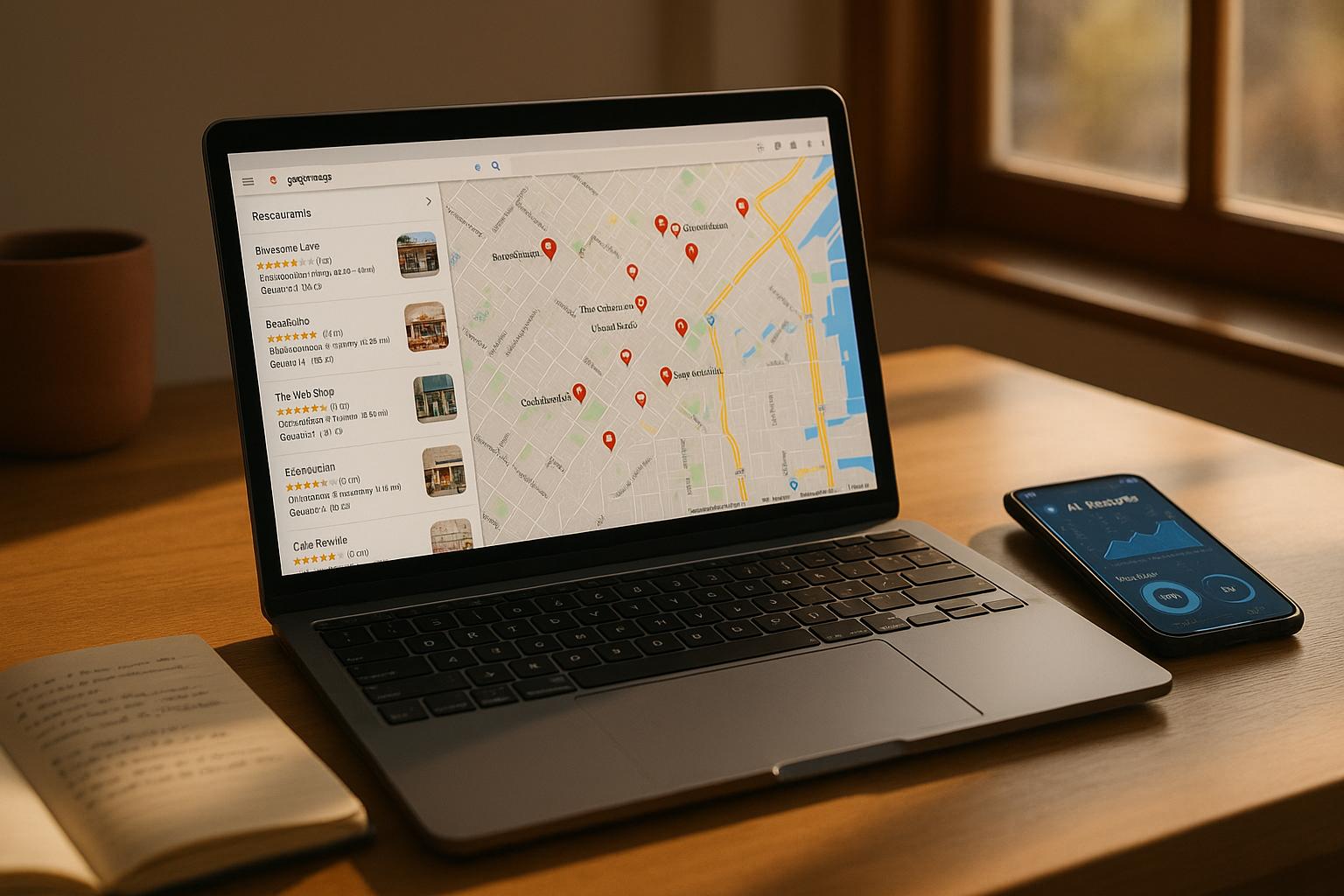
Want to generate leads faster and more effectively? AI-powered Google Maps scraping can help you gather business data, identify decision-makers, and craft personalized outreach - all while saving time and effort. Here's what you need to know:
What it does: Extracts business details (names, addresses, phone numbers, websites) from Google Maps.
How AI helps: Adds insights like owner names, email addresses, and custom messages tailored to each prospect.
Why it works:Automates lead generation for industries like janitorial services, HVAC, and landscaping.
Cost example: Platforms like Cohesive AI offer plans at $500/month, including automated email campaigns.
But stay compliant: Scraping Google Maps may violate Google's Terms of Service. Use ethical practices to avoid penalties. Below, we'll explore setup steps, legal considerations, and outreach strategies.
Legal and Ethical Guidelines for Google Maps Scraping
Data Privacy and Compliance Requirements
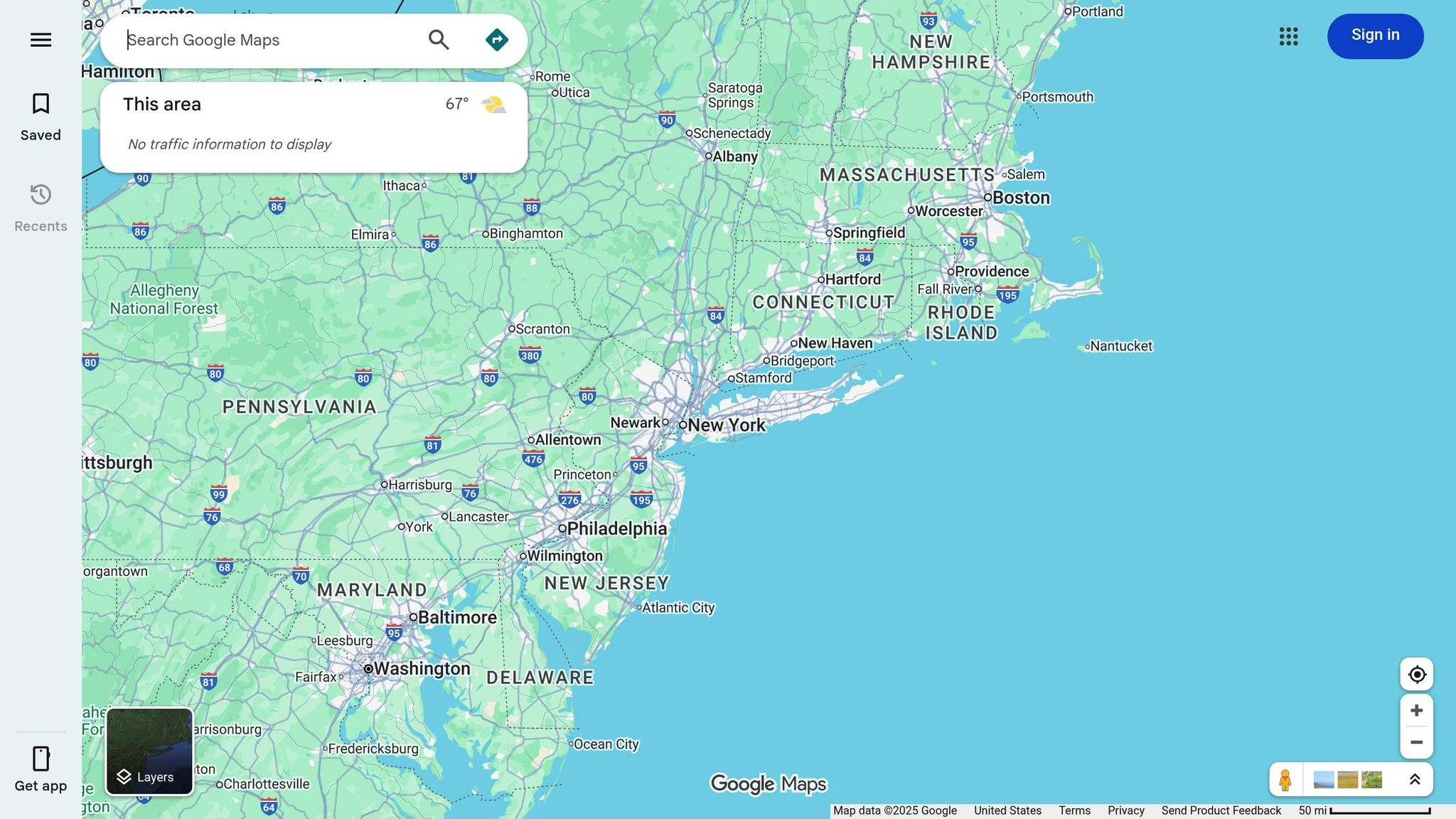
Google explicitly states in its Terms of Service that activities like data extraction, exporting, or bulk downloading from Google Maps are not allowed [1][2]. Ignoring these rules can lead to serious consequences, such as account suspension, having your IP temporarily blocked, or even losing access permanently. It's important to respect these terms and prioritize responsible data usage practices.
I Built a Google Maps Scraper with AI (Full Tutorial)
Step-by-Step Guide to AI-Powered Google Maps Scraping
Ready to supercharge your lead generation? Follow these steps to set up, extract, and organize data using AI tools for Google Maps scraping.
Setting Up AI Tools for Google Maps Scraping
Start by configuring Cohesive AI, a platform tailored for extracting U.S. business data. Make sure to align your settings with U.S. standards: use MM/DD/YYYY for dates, the dollar sign ($) for currency, commas for thousands, and periods for decimals.
For automation, stick to browsers like Chrome or Firefox. Secure valid API keys and use proxy networks to avoid triggering Google’s anti-bot defenses. Without proxies, your scraping efforts could be blocked, rendering the process ineffective.
Modern platforms simplify the setup process with natural language schema creation. Instead of writing code, you can describe the data you need in plain English. Decide whether you want real-time scraping or scheduled data collection, depending on your lead generation goals.
Once everything is set, define and refine your target business data to ensure you’re collecting the right information.
Extracting and Filtering Business Data
With your tools ready, focus on defining your search by business type and location. For industries like janitorial services, HVAC, or landscaping, you can zero in on specific categories and narrow your search to cities, states, or zip codes. Advanced tools even allow batch targeting of up to 1,000 zip codes, which is ideal for covering large metropolitan areas.
To make the most of your efforts, focus on collecting key data fields that drive lead generation. These include business names, full addresses, phone numbers, website URLs, operating hours, customer ratings, and - if possible - owner contact details. AI tools excel at organizing unstructured data, saving you the time and hassle of manual sorting.
AI also helps filter out irrelevant data. Algorithms can identify and remove duplicate entries by matching business names, addresses, and phone numbers. You can apply filters for specific business categories, minimum ratings, and precise locations to ensure your final dataset is filled with high-quality, unique leads.
Another important step is cleaning up your results. Use AI to eliminate irrelevant URLs, such as google.com or gstatic.com, which sometimes slip into scraping results. This ensures your database is filled with actionable leads rather than technical errors.
After refining your data, it’s time to export and organize it for outreach.
Exporting and Managing Scraped Data
Export your data in U.S.-friendly formats like CSV or Excel, which integrate seamlessly with popular CRM systems and email marketing platforms.
For better organization, group your data by business category, location, and contact type. This structure makes it easier to tailor your outreach campaigns. For example, you can create separate spreadsheets for different industries or regions, helping you craft personalized messaging for each group.
During the export process, set up error-handling protocols. This ensures your workflow skips problematic URLs or incomplete data entries without disrupting the entire operation. By handling errors efficiently, you maintain smooth data collection even when some points are missing or corrupted.
Once exported, your data becomes the backbone of AI-driven enrichment and outreach campaigns. Many businesses streamline this process by integrating their data with tools like Google Sheets and automation platforms such as Make.com. This allows your data to flow directly into email validation services, lead scoring systems, and personalized outreach sequences - no manual effort required.
For those serious about lead generation, Cohesive AI offers an all-in-one solution. It combines Google Maps scraping with government filings data, automatically enriches leads, and manages them for targeted outreach. This seamless approach saves time, eliminates the need for multiple tools, and turns your scraped data into real business opportunities.
AI-Powered Data Enrichment and Outreach Personalization
With AI's advancements, basic scraped data can now be transformed into actionable insights. By identifying decision-makers and crafting tailored messages, AI turns raw contact lists into a pipeline of qualified leads. Here's a closer look at how AI enhances contact matching and personalizes outreach to maximize results.
Matching Contacts to Business Owners with AI
One of the biggest hurdles in lead generation is finding the right contact. AI simplifies this process by scanning business websites, government filings, and social media profiles to pinpoint decision-makers. For instance, it can detect phrases like "founded by Jane Doe" or "owner-operated since 2010", helping identify key figures like owners or founders.
Social media platforms add another layer of accuracy. AI algorithms comb through LinkedIn or Facebook business pages, verifying roles and pulling direct contact details by recognizing titles such as "CEO", "Founder", "Owner", or "President."
A platform like Cohesive AI takes this a step further. It combines tools like Google Maps scraping with government filing searches, automating the cross-referencing process. Instead of manually sifting through multiple databases, this AI-driven approach delivers verified business owner contacts efficiently.
To ensure the best results, AI relies on fresh data and diverse sources. Additional steps like phone number verification and email validation help weed out outdated or incorrect information, ensuring that the leads generated are accurate and actionable.
Once decision-makers are identified, AI shifts focus to creating personalized outreach that resonates with each contact.
Creating Personalized Cold Emails Using AI
Generic cold emails often fail to engage. AI changes the game by using enriched business data to craft personalized messages that grab attention and drive responses.
The process begins with AI analyzing a target business's online presence. It scans company websites, social media posts, and recent news to uncover insights about achievements, challenges, or growth. This information is then woven into email templates, making the outreach feel specific and relevant. For example, instead of starting with a generic "Hello", AI might reference a recent expansion or a notable success.
AI also tailors messages to industry-specific pain points. Whether it's addressing staffing shortages, managing seasonal cash flow, or improving supply chain reliability, the messaging is designed to show a deep understanding of the prospect's challenges.
Recent business activities provide additional hooks for personalization. Noticing a company's relocation, new service offerings, or glowing customer reviews allows AI to reference these developments, demonstrating genuine interest and increasing the likelihood of engagement.
Platforms like Cohesive AI automate this entire process. By analyzing each prospect's business profile, the platform creates customized email content tailored to factors like industry, size, location, and recent activities. The result? Emails that feel hand-crafted rather than mass-produced.
AI also optimizes timing. Machine learning algorithms evaluate response patterns and industry trends to determine the best time to send emails, ensuring higher engagement rates and contributing to an effective lead generation strategy.
Benefits, Drawbacks, and Best Practices for AI Google Maps Scraping
AI-powered Google Maps scraping can be a game-changer for businesses looking to enhance their lead generation strategies. While it offers some clear advantages, it also presents challenges that require thoughtful management and execution.
Benefits of AI-Powered Google Maps Scraping
One of the biggest advantages of AI scraping is how much time it saves. Tasks that used to take weeks - like compiling leads - can now be completed in mere hours. That means more time for what really matters: building relationships and closing deals.
It’s also a budget-friendly option. For example, platforms like Cohesive AI offer a flat-rate plan at $500 per month, with a one-time setup fee of $75. There are no long-term contracts, making it accessible even for smaller service-based businesses.
Accuracy is another major plus. AI tools can cross-check data from multiple sources, such as government filings, to ensure contact details are correct. They can even pinpoint decision-makers, reducing the chances of wasting time on the wrong contacts.
Scalability is effortless with AI. Whether you’re after 100 leads or 10,000, the process remains smooth and efficient. This makes it ideal for businesses looking to break into new markets or ramp up their operations quickly.
AI also allows for precise targeting. Instead of casting a wide net, you can zero in on prospects based on specific criteria like business size, years in operation, or growth trends. This often leads to higher response rates and better-qualified leads.
Common Challenges and How to Address Them
Of course, no system is perfect, and AI scraping comes with its own set of challenges.
Data quality is a common issue. Outdated or incorrect contact details, as well as closed businesses, can derail campaigns. Regular data verification is crucial to avoid wasting time and resources.
There are also technical hurdles to consider. Rate limiting, IP blocking, and data parsing errors can make the process tricky, especially for those without a dedicated IT team. Using well-established platforms that handle these technical challenges for you is often the easiest solution.
Another concern is email deliverability. Without proper infrastructure, outreach campaigns can suffer from high bounce rates or spam complaints, which can harm your sender reputation. Partnering with platforms that offer managed email deliverability services can help ensure your messages actually reach their intended audience.
Best Practices for Effective Lead Generation
To make the most of AI-powered scraping while minimizing risks, follow these proven strategies:
Stick to publicly available information and avoid accessing restricted or private data.
Space out your data collection activities to avoid triggering IP blocks or rate limits.
Regularly verify and update your data to maintain accuracy and quality.
Use the data primarily for personalized outreach rather than mass distribution. Tailor your campaigns to show genuine interest in each prospect’s business.
Keep detailed records of your data sources and collection methods to stay compliant with regulations and demonstrate transparency.
Monitor metrics like response rates, email delivery performance, and lead quality, and adjust your approach as needed.
Conclusion: Transform Lead Generation with AI Tools
AI-driven Google Maps scraping is changing the game for local service lead generation. Instead of shelling out big bucks to agencies or spending endless hours manually searching for prospects, businesses can now tap into smart automation to find, reach, and convert high-quality leads efficiently and at scale.
But this shift isn’t just about saving time. Traditional lead generation often results in bland, one-size-fits-all outreach that prospects ignore. AI flips this script by enabling personalized communication tailored to each prospect’s unique situation. Imagine sending a cold email that mentions a company’s recent expansion or highlights their industry expertise - those are the kinds of messages that get noticed and generate responses.
For industries like janitorial services, landscaping, and HVAC, this technology is a game-changer. Small and medium-sized businesses can now compete on equal footing with larger players, gaining access to advanced lead generation tools that were once exclusive to big-budget enterprises. This smarter approach not only strengthens their competitive edge but also helps cut operational costs.
The financial benefits are hard to ignore. With a flat pricing model and clear performance metrics, businesses can achieve targeted results without breaking the bank.
What’s more, AI-powered scraping frees up valuable time. Instead of spending evenings chasing leads, business owners can focus on delivering great service, growing their operations, and building lasting customer relationships.
FAQs
How can businesses use AI to scrape Google Maps without violating Google's Terms of Service?
To stay in line with Google's Terms of Service, businesses should focus on gathering only publicly available information and avoid taking data off Google's platform. Additionally, respecting Google's attribution and usage guidelines is crucial, as is steering clear of improperly storing personal data.
By adhering to these principles, businesses can use AI-driven tools for lead generation responsibly while remaining compliant with Google's rules.
How can you ensure the data collected through AI scraping is accurate and reliable?
To get accurate and dependable data from AI scraping, it's crucial to put automated validation checks in place that compare the scraped data against trusted sources. Regular reviews and data cleaning are important to catch and fix errors or inconsistencies. Tools designed to monitor data quality can simplify this process, ensuring consistency over time. Additionally, cross-checking with reliable sources and establishing feedback loops can improve the reliability of the data collected. These practices are key to maintaining high-quality local business information.
How does AI improve email personalization, and why is it essential for lead generation?
AI takes email personalization to the next level by creating messages that align closely with a prospect's unique preferences, behaviors, and needs. These tailored emails feel more relevant and engaging, increasing the chances of a positive response.
Personalization plays a key role in lead generation. It helps capture attention, build trust, and establish meaningful connections with potential customers. By addressing specific challenges and presenting relevant solutions, personalized emails can boost conversion rates and make sales efforts more impactful.